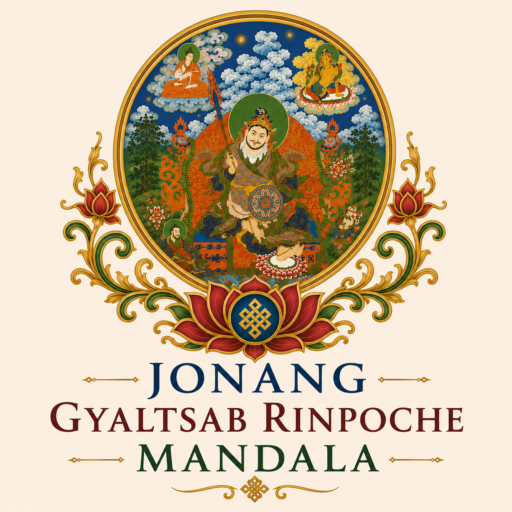

Introduction to the Jonang Tradition
The Jonang tradition, rich in history and spiritual practices, is a significant branch of Tibetan Buddhism. Established by the revered figure of Dölpopa Sherab Gyaltsen in the 14th century, this tradition emphasizes the importance of meditation and philosophical studies. It provides profound insights into the ultimate nature of reality, focusing on both the teachings of the Buddha and the lineage of masters that have contributed to its growth.
The Significance of Jonang Gyaltsab Rinpoche Mandala
At the heart of this tradition lies the Jonang Gyaltsab Rinpoche Mandala, serving as the official seat of the Jonang lineage. Under the guidance of His Excellency Choekyi Nangpa Rinpoche, the mandala represents not just a physical space but a spiritual sanctuary where practitioners can gather for study, meditation, and community engagement. It is a beacon of support for those seeking to deepen their understanding of Jonang philosophy and practice.
Cultural and Educational Contributions
The Jonang tradition is not only about spiritual practice but also about education. Educational resources, including courses and teachings, are pivotal in preserving the rich heritage of Tibetan Buddhism. Facilities like libraries and community forums play an essential role in this regard. By promoting a culture of study and meditation, the Jonang community fosters an environment where individuals can explore teachings on modern topics, such as philosophy and mental well-being, through the lens of traditional practices.