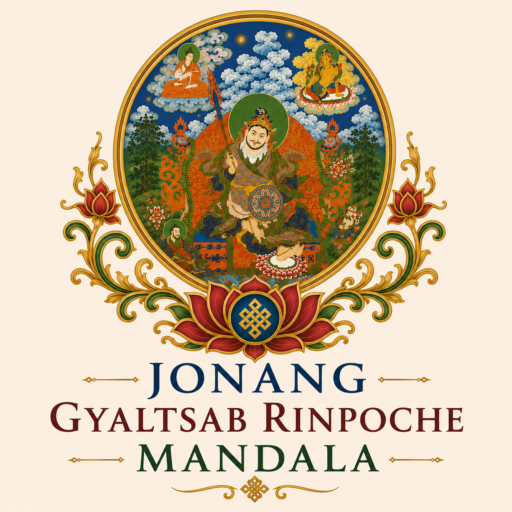

Introduction to the Jonang Tradition
The Jonang tradition is a remarkable school of Tibetan Buddhism that emphasizes the philosophical teachings and meditation practices that align with the authentic lineage transmission. Founded by the revered figure of Yumo Mikyo Dorje in the 13th century, the Jonang has maintained an unyielding dedication to the preservation and education of its spiritual legacy.
The Core Philosophies
At the heart of the Jonang tradition is the concept of shentong—a unique perspective on emptiness that offers profound insights into the nature of reality. The teachings encourage practitioners to embark on a transformative journey, blending rigorous scholarly study with deep meditative practice. This tradition fosters a comprehensive understanding of Buddhist philosophies, including the Kalachakra teachings that explore the interplay between time and the universe.
Community and Cultural Significance
The Jonang lineage embodies a commitment to community service, ensuring that the practice and teachings are accessible to all. The tradition promotes harmony through communal gatherings, online forums, and retreats where practitioners can share experiences and teachings. Additionally, the Jonang community plays an essential role in preserving Tibetan cultural heritage, with its contributions extending to literature, sacred art, and educational resources.
Through its focus on authentic lineage transmission and community engagement, the Jonang tradition not only enriches the lives of its followers but also serves as a beacon of wisdom for all those seeking to explore the profound depths of Tibetan Buddhism.